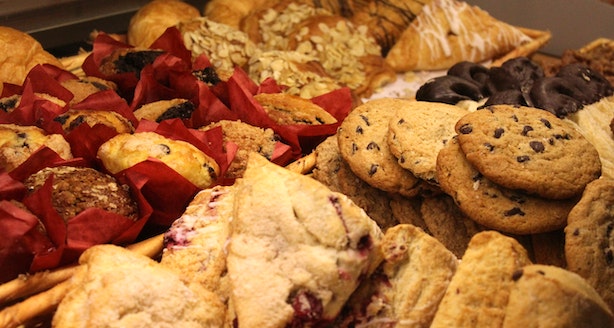
We all have those snacks that take us back to a specific time in our lives, whether it’s a childhood memory or a moment from our teenage years. Snacking can be a source of comfort and nostalgia, allowing us to indulge in familiar flavors and textures that bring back fond memories.
Purvi Shah, associate professor of marketing in The Business School at Worcester Polytechnic Institute (WPI), shared her knowledge on how certain foods can trigger nostalgic feelings, why we tend to crave snacks from our past, and how we can use snacking to connect with our memories and emotions.
Nostalgia and brand resurrection movements
Like it or not, emotions are an ever-present factor in the consumer journey. Consumers base many of their purchase decisions on how a product or service will make them feel - and how they’ll like to remember their experience after it’s passed.
“Nostalgia is commonly described as a preference or general liking towards objects - people, places, or things - that were really common or popular when one was younger or before they were born,” Shah said. “It can impact any person, regardless of their gender, sexual orientation, or age.”
A particularly strong emotion, nostalgia doesn’t need any outside enforcements to help motivate responses in consumers. The deletion of a beloved product is often enough to encourage consumers to take matters into their own hands.
“Before the internet, consumer activism was very challenging because you could not gather the people, time, and effort necessary for that entire endeavor. But now with the advent of social media and internet technologies, consumers are able to communicate and consume considerable amounts of information,” said Shah.
Brand resurrection movements (BRMs) refer to efforts made by impassioned consumers to revive a product or service that has gone dormant. This can be achieved through a variety of strategies such as petitions, social media campaigns, and word-of-mouth marketing.
Shah says the consumer motivation for BRMs often comes as a result of feeling “nostalgic brand love”, a newly-coined concept meant to recognize nostalgia for a brand as one standalone topic.
“Our research found that a consumer’s love for a brand and nostalgia for a particular time come together to form nostalgic brand love,” said Shah. “What happens when the love you feel for a brand is also something you feel nostalgic for?”
The answer, Shah says, is psychological reactance. This is an emotion often felt by consumers who feel like the nostalgic brand love they’ve formed is threatened.
“When a product is taken away from consumers, they want it back. This will push consumers into the consumer activism movement in hopes of seeing their favorite products again,” said Shah.
Nostalgia and the snack food industry
P.B Crisps, Yogos Bits, Altoids Sours and Sobe drinks may be a distant memory, but they’re impact is lasting. This is the power of nostalgic snacks.
Desiring a snack from the past can occur for many reasons. Shah says longing for discontinued snacks is often a reflection of consumers yearning for their childhood.
“Most children do a lot of snacking at different points in their day. They might think, ‘I’m upset today, or I’m happy today and I want X snack,” said Shah. “We have those memories and now that we’re adults leading stressful lives, we are thinking back to those snacks and wanting to feel great.”
Shah also mentioned older generations’ desire to share their beloved confections with younger loved ones. Having an old snack isn’t just an opportunity to connect with one’s past but to create new memories in the present.
“Nostalgic products don’t have to be solely targeted to [older generations]. They can also be targeted to children because they’ll be introduced to the products by their parents,” said Shah. “If brands look to see what’s popular today, and they see it’s chocolate, they can bring back the old products and create new ones to improve upon their sales.”
Feeling nostalgic over beloved snacks can often result in impassioned consumers with a desire for the return of their favorite products. Brand resurrection movements, consumer activism, and love for snack food brands can all intensify with feelings of nostalgia.
Topics: Consumer Psychology