
Generating a steady stream of returning customers is one of the biggest struggles a brand can face.
This is especially true today as there’s a multitude of options for which consumers can choose. If they become dissatisfied with offerings from one company, plenty of others are available who can meet their needs.
However, retaining customers is far more cost-effective than pumping out any and every acquisition strategy.
Notably, it can cost five times more to attract a new customer than keeping a current customer. According to research from Bain & Company, by increasing customer retention rates just 5%, you can increase profits by a whopping 25-95%.
Yet, how do you get people to stick around? There are some key tactics you can implement to keep customers coming back for more — here are a few to get you started:
1. Nurture Buyers with Your Email List
Getting customers to return is all about staying at the front of their minds. After all, how can you possibly expect them to come back if they’ve forgotten about you?
This is why it’s important to get the email addresses of your customers so you can stay in touch with them. Then, you can send them regular product updates, give them exclusive news about launches, and offer discounts to keep them sweet.
Creating and nurturing a space where your customers essentially feel like VIPs not only builds a strong connection with them (which, in turn, can lead them to choose you over your competitors) but keeps you front of mind at the same time.
A customer might not want or need what you’re offering at that very moment, but in the future, they might. And the brand they’ll be most likely to return to is yours.
2. Use Videos to Build Engagement
Videos are a powerful form of content. Trends deem that they are far more engaging than a page of text because they work to build deeper connections with consumers. Since videos tend to replicate human interaction, they are more aligned with the way we process information.
In fact, our brains can process moving visuals 60,000 times faster than text, which gives you the chance to portray difficult concepts in a short period of time. On top of that, 64% of consumers admit they have made a purchase after watching a video, making it a no-brainer addition to your retention strategy.
Videos work well in a number of post-sale situations, including:
-
Onboarding customers through demos and tutorials
-
Sharing videos of different use cases for a specific product
-
Building trust via showcasing company culture or behind-the-scenes footage
-
Integrating with your customer service processes
3. A Hot Customer Service Process
Customers that stop doing business with a company tend to do so because they had a bad customer experience. On the flip side, a good customer experience leads 42% of consumers to make another purchase.
Creating an enjoyable customer experience should be one of your top priorities if you want to improve customer retention, and a big part of that is having a slick customer service process.
These days, consumers want information in-the-moment. Wait too long to get back to them, and there’s a high chance they’ll take their business elsewhere. This is why it’s important to have a system that tackles these kind of inquiries so your sales funnel doesn’t get clogged up.
One of the easiest ways to do this is to implement a chatbot on your website where customers can type in any questions they have.
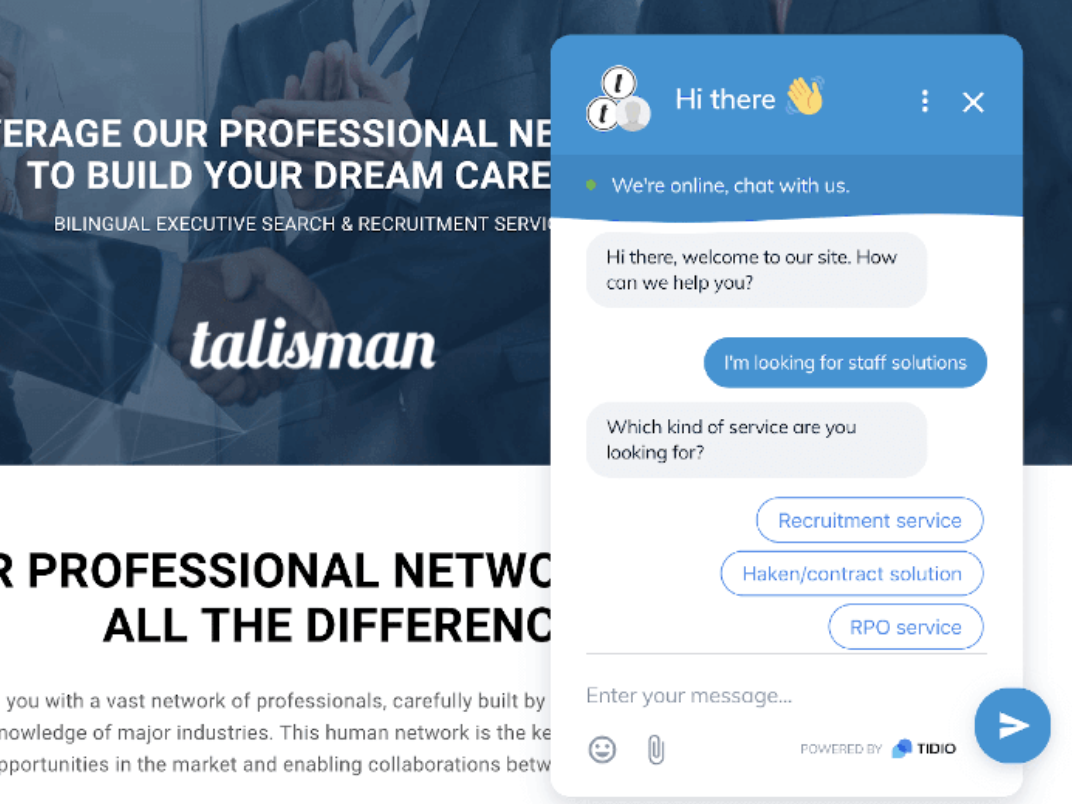
You can program the chatbot to answer the most common questions, but you can also have a more in-depth customer service options, like a phone line or an email address where customers can get more detailed responses for more complicated queries.
4. Implement a Customer Loyalty Program
Many businesses focus their retention strategies on customers that are at risk of churning — but what about loyal customers that continue to buy from you without making a fuss? Surely these people should be rewarded, too.
This is where a customer loyalty program can be really effective.
It essentially rewards customers for their ongoing loyalty; the more they buy, the more they are rewarded.
For example, if a customer continues to interact with your brand by purchasing more products, reaching out on social media, or writing a testimonial, you might offer them a discount on their next purchase or a continuous 10% off all purchases.
Research shows that the top 10% of your customers spend three times more than the rest of your customer base, meaning these are the most important people your business has. When you start to appreciate them and see their value, you can build even stronger connections and completely eliminate the chance of them taking their business elsewhere.
Customer Retention is Vital For Any Successful Business
Getting new customers is fun and exciting but seeing customers to return can be equally as satisfying as they are the bread and butter of your business. Without them, you’ll end up spending over the odds trying to keep business afloat.
Use these tactics to improve customer retention and you’ll not only save money, but you’ll build a solid foundation of loyal customers that spend more and more each time they come back.
Topics: Consumer Psychology